
Testing Aputure’s new Storm CS32 on ‘My Girl’.
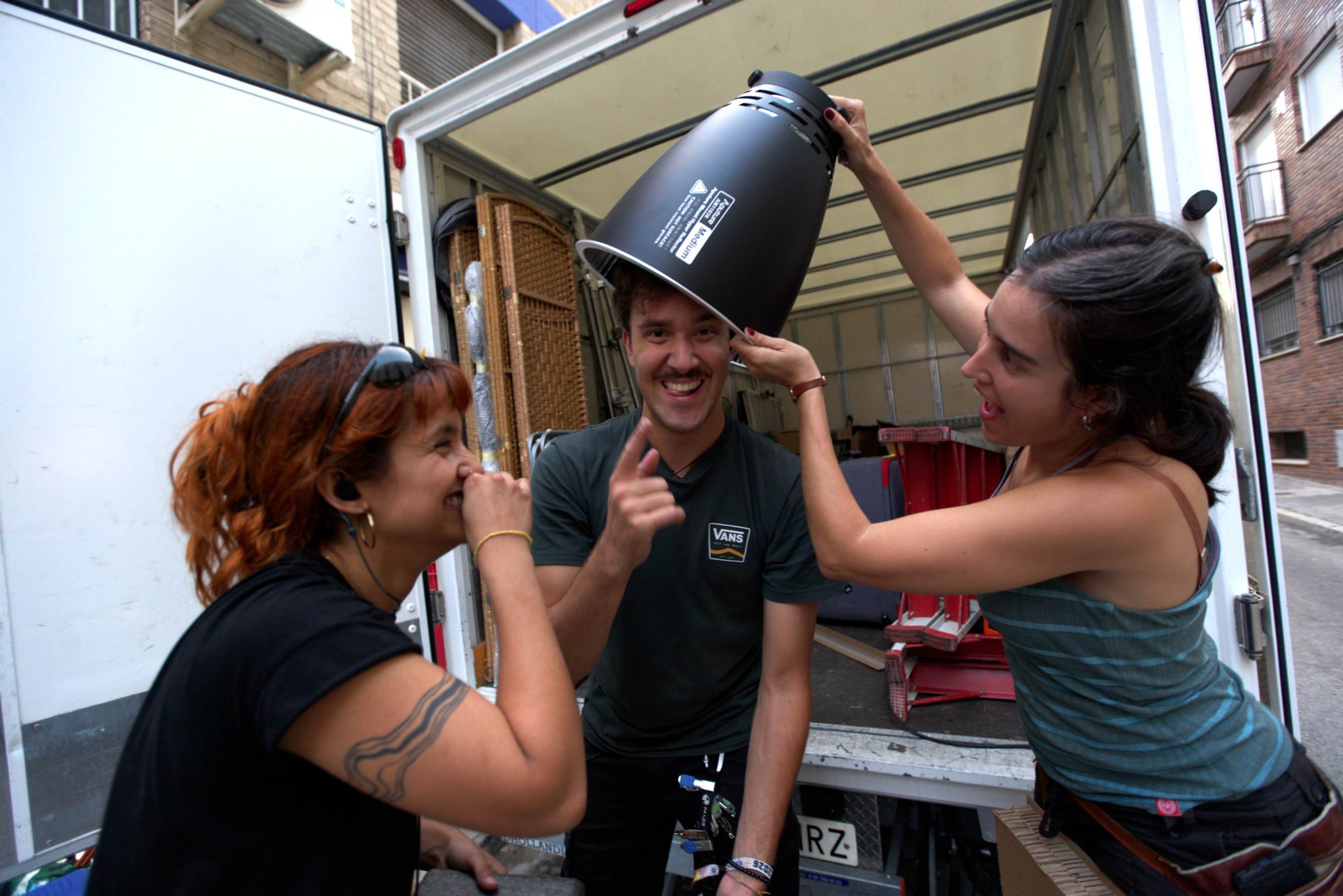
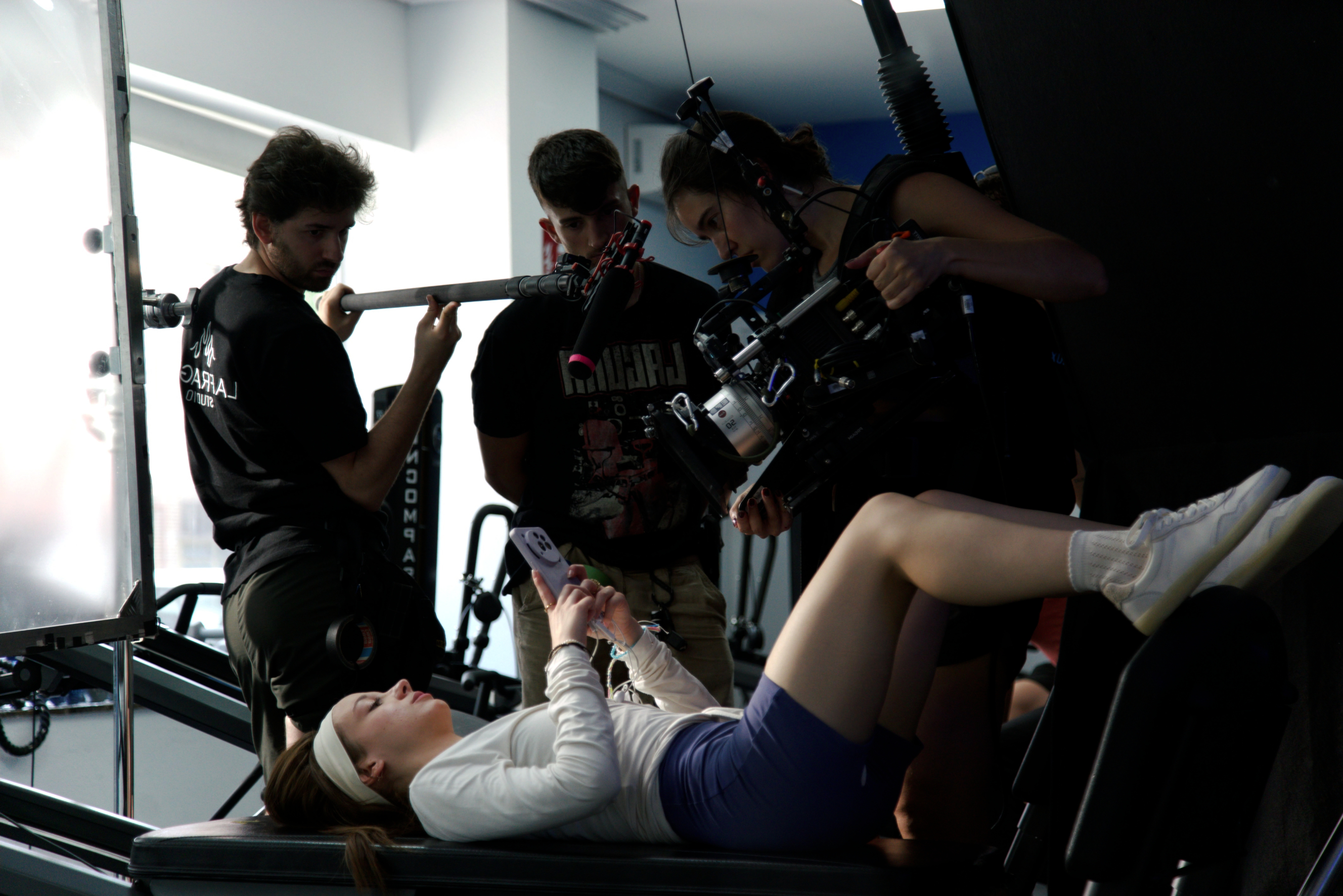
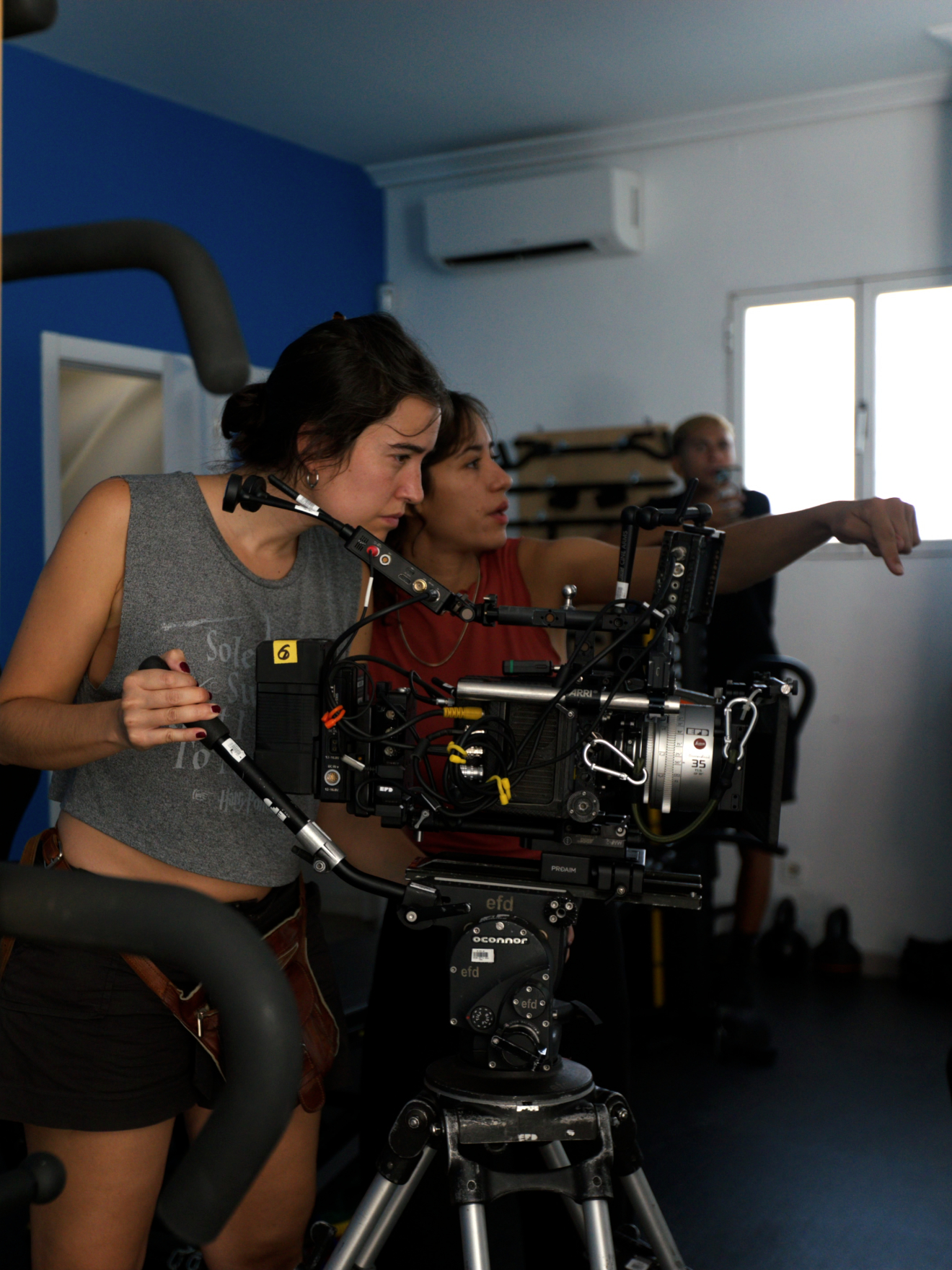
On My Girl, cinematographer Beatriz Delgado Mena put Aputure's new STORM CS32 through its paces. We were invited to document the process as they set out to answer a simple question: can one fixture running off household power truly replace an HMI?
With the film predominantly set indoors, Bea and her team needed something powerful yet agile to recreate several different scenarios. Normally, this setup would involve an HMI outside, a genny in the street and a lot of cabling. Being able to get the light up and running quickly, was key. And here is where the Storm really shines.
One fixture, plugged into a wall socket in a flat in Madrid and fifteen minutes from setting up to having a full working light.
“Having an LED light that could pair with an HMI, but without the power requirements of an HMI, was precious.” — Beatriz Delgado Mena
Being able to park a hard daylight source outside a window and leave it there meant Bea could work through her setups without waiting on the weather, or having the conversation about whether we could afford another hour. We even had an unexpected storm at one point, with clouds dominating the sky. With the CS32 the team didn't need to worry about output.
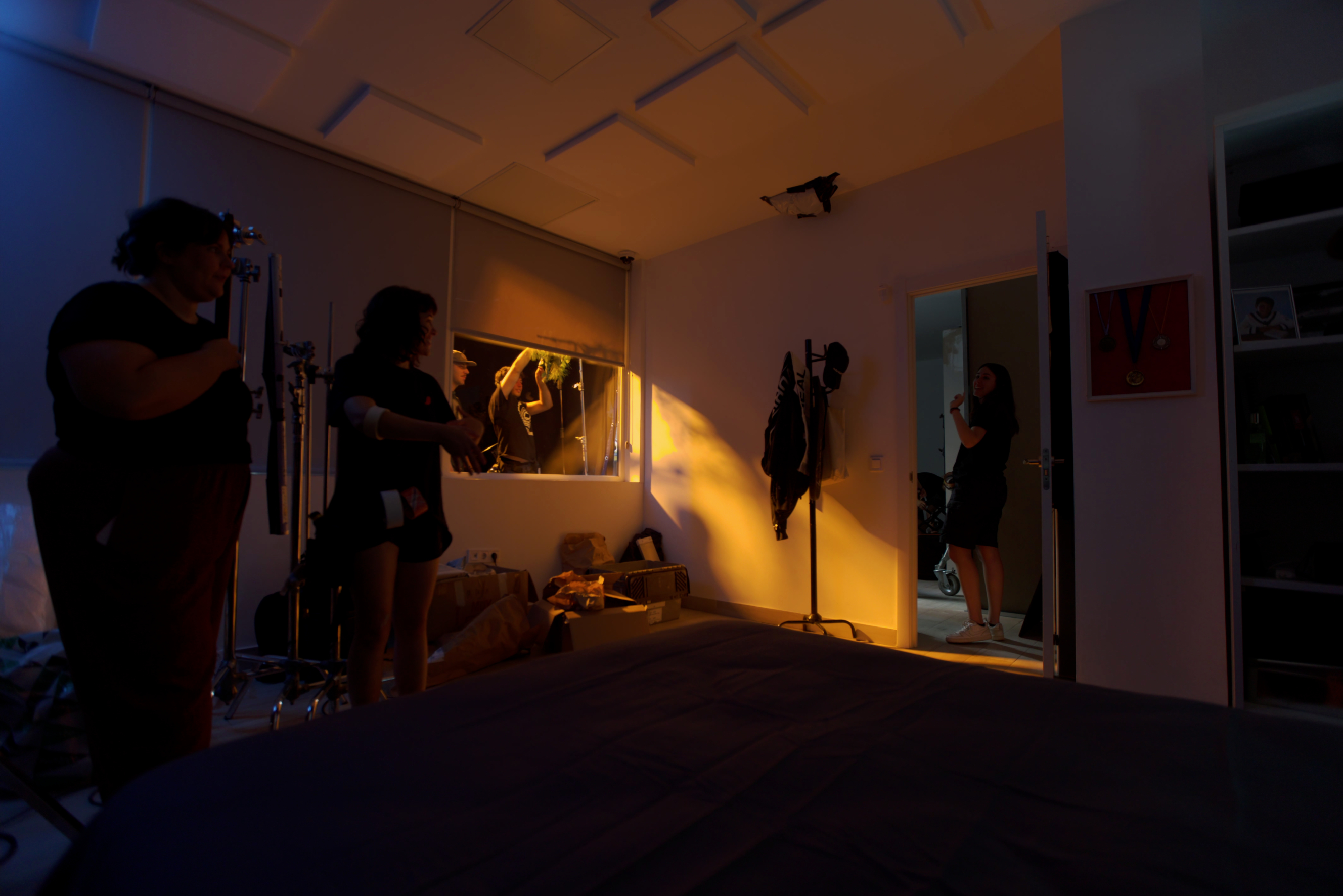
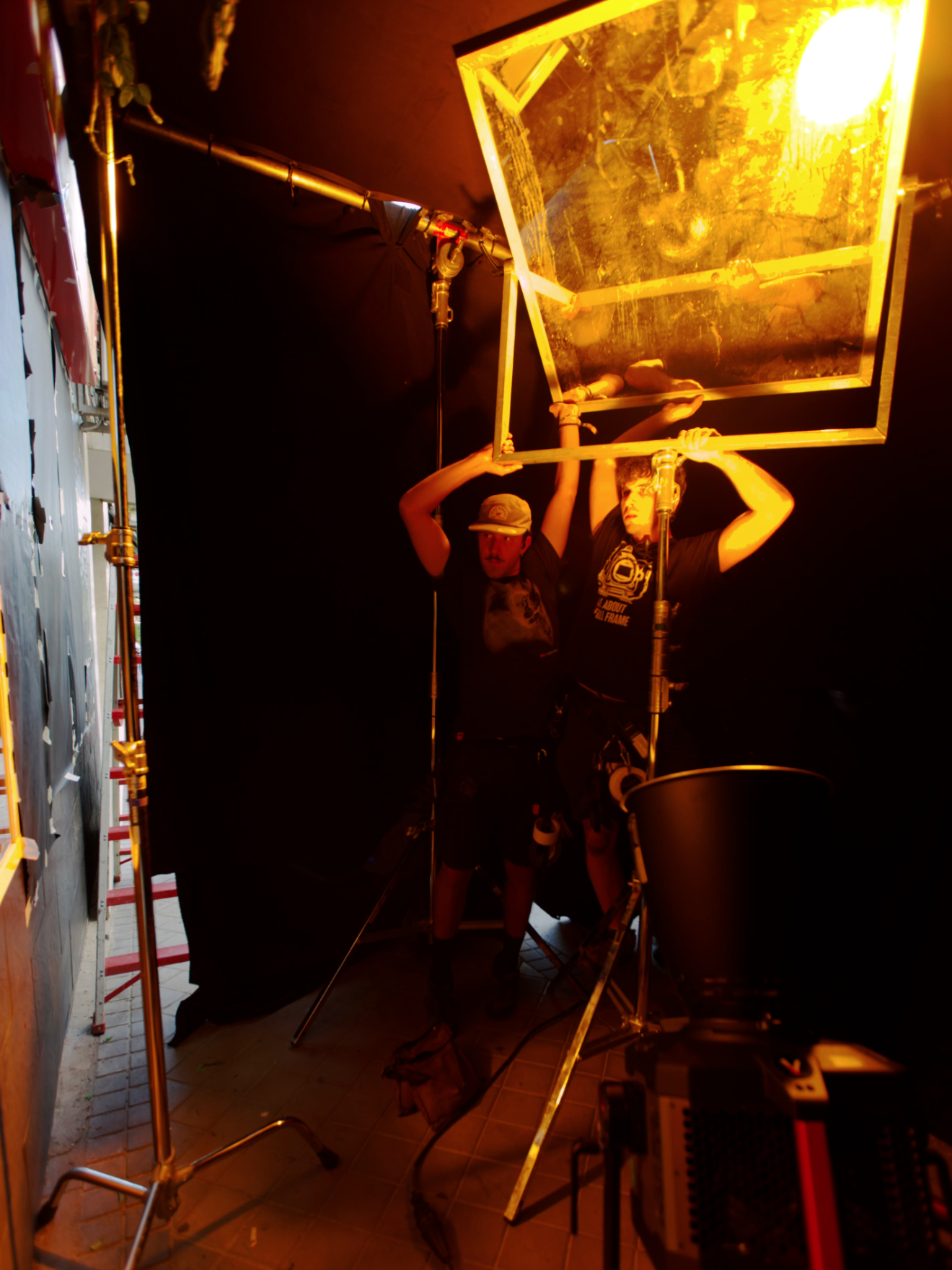
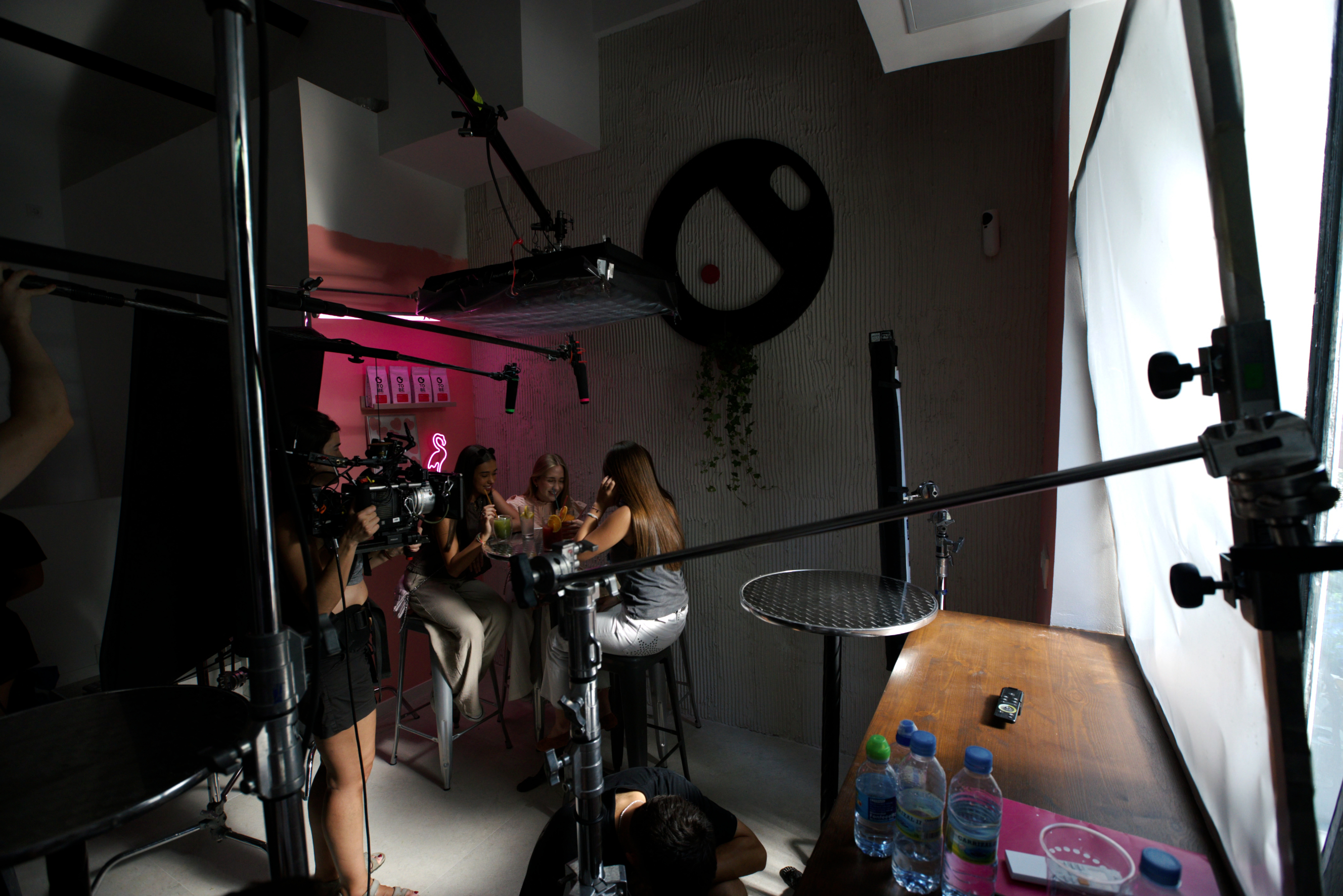
Nights were the pleasant surprise for the team. To imitate sodium streetlight you would normally need some gels and croc clips to keep it all together. Here it was all in the touch of a button, dialled in and matched to the practicals already running in the street.
Another factor that plays into the Storm's favour is sustainability. In a time when we need to be more conscious of our choices, a fixture that draws what an average apartment can offer instead of noisy generator burning fuel, is a huge plus. The industry is rightly being asked to be more green and Bea is unambiguous about which side of the argument she stands on.
“If we want to be more environment friendly as an industry, using LED fixtures is the future.” — Beatriz Delgado Mena
Now for some cons. The kit is still pretty heavy, at 28 kg across a head and a control box. This means two sparks are still required, which could slow things down depending on the needs of the day. And of course, the household power sets a ceiling on output. Bea's only complaint was that she'd take an even more powerful version, which is not really a complaint, perhaps more of a request.
The light didn't make the film easier to shoot, but it made one specific set of problems easier to solve. And on a low-budget short like this, it can be the difference between four takes or one.
Is this the future?
Bea's answer was an astounding definitely. Fast to rig, genuinely versatile and already powerful next to a 1200. Ours is the same for a slightly different reason: it takes a whole category of logistics out of the kind of films we make. Adding to that the size, carbon footprint and power needs makes this light an absolute contender, even on bigger budget shoots.
What would you want to see us test next?
Tell us what you'd want a light like this tested against next — we read everything and the best suggestions end up on the next shoot.